Modern and contemporary fiction
Modern and contemporary fiction is a diverse and expansive genre that encompasses a wide range of styles, themes, and subject matter. It is characterized by its focus on exploring the complexities of modern life, often through an emphasis on psychological realism and experimentation with form and language.
Read moreShow less
One of the defining features of modern and contemporary fiction is its ability to reflect the changing cultural and political landscape of the world. Many modern and contemporary authors use their work to explore issues such as race, gender, sexuality, class, and identity, often challenging and subverting traditional narrative structures and literary conventions in the process. A key figure in modern and contemporary fiction is James Joyce, whose work, including "Ulysses" and "Finnegans Wake," experimented with language and form, paving the way for later writers to explore the boundaries of the genre. Other notable modern and contemporary authors include Virginia Woolf, William Faulkner, Toni Morrison, Salman Rushdie, Haruki Murakami, and Chimamanda Ngozi Adichie, among many others. Modern and contemporary fiction can take many forms, including the novel, the novella, the short story, and the experimental work. It is also increasingly being adapted to new media, such as film, television, and video games. Many contemporary authors are pushing the boundaries of the genre by incorporating multimedia elements, such as sound and video, into their work, creating a new hybrid form of literature that blurs the line between text and other forms of media. Whether exploring the complexities of human relationships, the struggles of marginalized communities, or the impact of technology on our lives, modern and contemporary fiction remains an important and influential genre that continues to evolve and push the boundaries of what is possible in literature.
Audiobooks
-
The Last Stage of Grief is Murder
Tam Barnett
$13.95
-
What Happened That Summer
Laura Pearson
$13.95
-
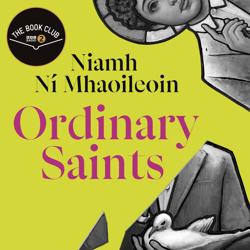
Ordinary Saints
Niamh Ni Mhaoileoin
$13.95
-
The Weekend Alone
Jacqueline Grima
$13.95
-
The House in the Olive Grove
Emma Cowell
$13.95
-
Beautiful People
Amanda Jennings
$13.95
-
The Island Cottage
Jane Lovering
$13.95
-
A Seaside Murder
Mary Grand
$13.95
-
New Arrivals at Hedgehog Hollow
Jessica Redland
$13.95
-
Life of Crime
Kimberley Chambers
$13.95
-
Have I Told You Lately
Beth Moran
$13.95
-
The Mother’s Secret
Karen Clarke
$13.95
-
The Storyteller's Daughter
Victoria Scott
$13.95
-
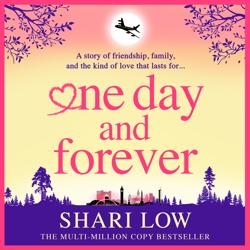
One Day and Forever
Shari Low
$13.95
-
Hidden Fires
Sairish Hussain
$13.95
-
The Good Twin
Diane Saxon
$13.95
-
Murder in Chianti
T A Williams
$13.95
-
My Sister's Secret
Diane Saxon
$13.95
-
In The Dark
Claire Allan
$13.95
-
Payback
Edie Baylis
$13.95
-
The Trophy Wife
Valerie Keogh
$13.95
-
Takeover
Edie Baylis
$13.95
-
Before We Grow Old
Clare Swatman
$13.95
-
A Wedding at Hedgehog Hollow
Jessica Redland
$13.95
-
Family
Owen Mullen
$13.95
-
My Great Ex-Scape
Portia MacIntosh
$13.95
-
Starlight Over Bluebell Castle
Sarah Bennett
$13.95
-
Mr Doubler Begins Again
Seni Glaister
$13.95
-
The Broken Man
Josephine Cox
$13.95
-
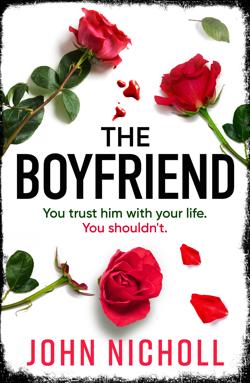
The Boyfriend
John Nicholl
$13.95
-
The Old Girls' Chateau Escape
Kate Galley
$13.95
-
A New Lease of Life
Celia Anderson
$13.95
-
The Paris Chapter
Victoria Walters
$13.95
-
Widows Waive the Rules
Julia Jarman
$13.95
-
Old Girls Behaving Badly
Kate Galley
$13.95
-
The Girl She Left Behind
Jo Bartlett
$13.95
-
Secrets and Sunshine by the Sunflower Cliffs
Georgina Troy
$13.95
-
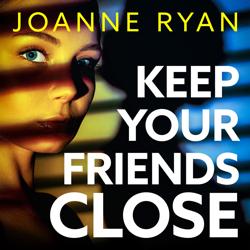
Keep Your Friends Close
Joanne Ryan
$13.95
-
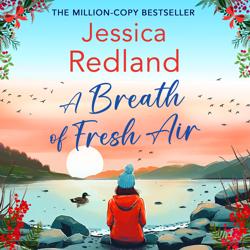
A Breath of Fresh Air
Jessica Redland
$13.95
-
The Yacht
Sarah Goodwin
$13.95
-
Anyone But The Billionaire
Sara L. Hudson
$13.95
-
A Love to Last a Lifetime
Clare Swatman
$13.95
-
One Day With You
Shari Low
$13.95
-
Unfinished Business
Michael Bracewell
$13.95
-
What Happened on Floor 34?
Caroline Corcoran
$13.95
-
Your Place or Mine?
Portia MacIntosh
$13.95
-
The Victim
John Nicholl
$13.95
-
Sunrise With The Silver Surfers
Maddie Please
$13.95